Kojonup sits on the Albany Highway between Perth and Albany, about 250 kilometres from either end. Most travellers pass through. Few stop long enough to understand what the town is actually about.
That is worth fixing. Kojonup has one of Western Australia's oldest military sites, a name rooted in Noongar language, a record-breaking wool history, and a rose garden unlike anything else in regional WA.
These six facts give you a clear picture of the town before you arrive, whether you are stopping for a few hours or planning an overnight stay.
Kojonup at a Glance
| Where it is | On the Albany Highway, 250 km south-east of Perth and 160 km north of Albany |
|---|---|
| The name | Noongar: kodj (stone axe) + up (place of water) |
| First surveyed | 1837, after Noongar guides led surveyor Alfred Hillman to the freshwater spring |
| Oldest building | The 1845 Military Barracks, one of the best-preserved early outposts in WA |
| Best months | September to November: wildflower season, with the Rose Maze at peak bloom in November |
| Where to stay | Cornwall House Accommodation, 72 Albany Highway, in the centre of town |
Fact 1: Kojonup Began as a Freshwater Source
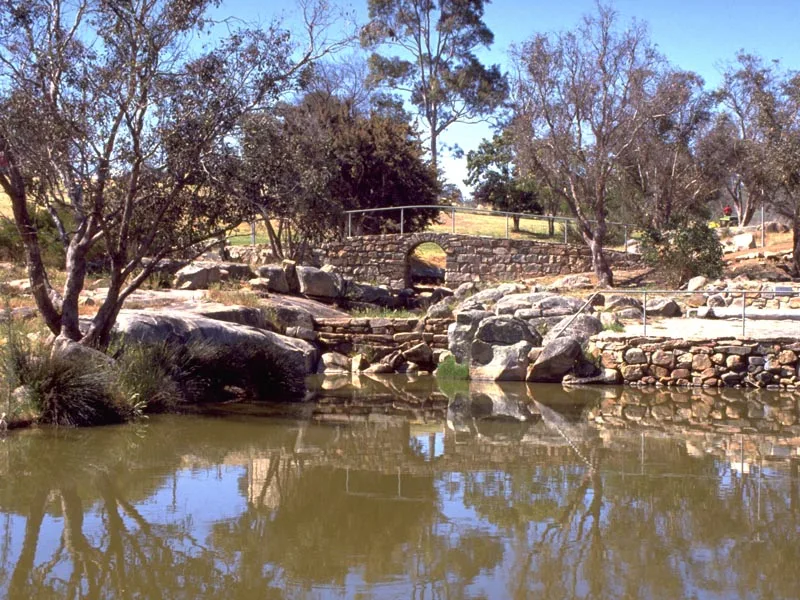
Before European settlement, Kojonup was known to the Noongar people for its freshwater spring. In a dry inland landscape, reliable water was rare. This spring was not just a resource: it had cultural and spiritual significance for the traditional custodians who had lived on this land for generations.
In 1837, European surveyor Alfred Hillman arrived in the area, guided by the Noongar people to the spring. He immediately recognised its value as a rest point on the inland route to Albany and recommended the site for future development.
By 1840, the land surrounding the spring had been opened for selection. The spring became the foundation on which the entire town was built, supplying water for early farming, government operations, and travellers moving between the coast and the interior.
The spring still exists today, close to the town centre near the Pioneer Museum. It is one of the few places in regional WA where the intersection of Noongar history and European settlement is visible in a single location.
Fact 2: Kojonup Had an Early Military Outpost
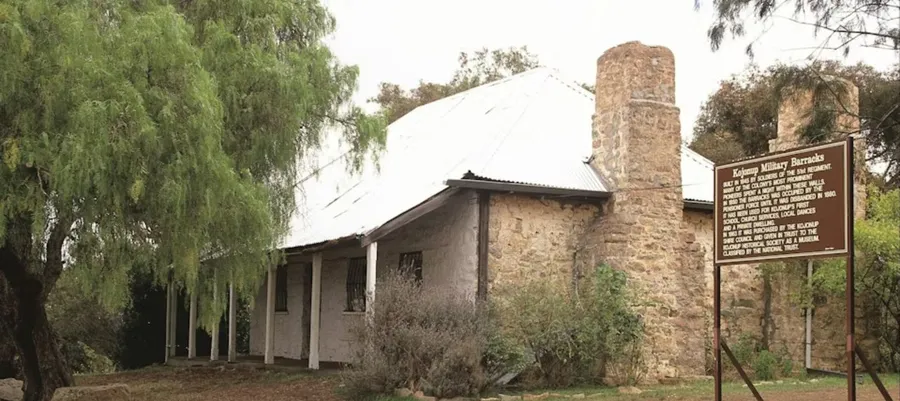
In 1845, soldiers from the 51st Regiment established a military barracks at Kojonup. The outpost was built to protect travellers and mail carriers on the isolated inland road between Perth and Albany, at a time when few services existed along the route.
The barracks sat near the freshwater spring, making it a practical staging point for anyone moving through the region. Over time it became one of the earliest forms of government infrastructure in the Great Southern.
The site was later used as Kojonup's first school, a meeting place for local church groups, and eventually a private home. Today it is preserved and managed by the Kojonup Historical Society as a cultural museum. Public access can be arranged through the Kojonup Visitor Centre.
Visitors can still walk the original grounds, view restored structures, and get a direct sense of what early colonial life in inland WA actually looked like.
Fact 3: The Name Kojonup Has Noongar Origins
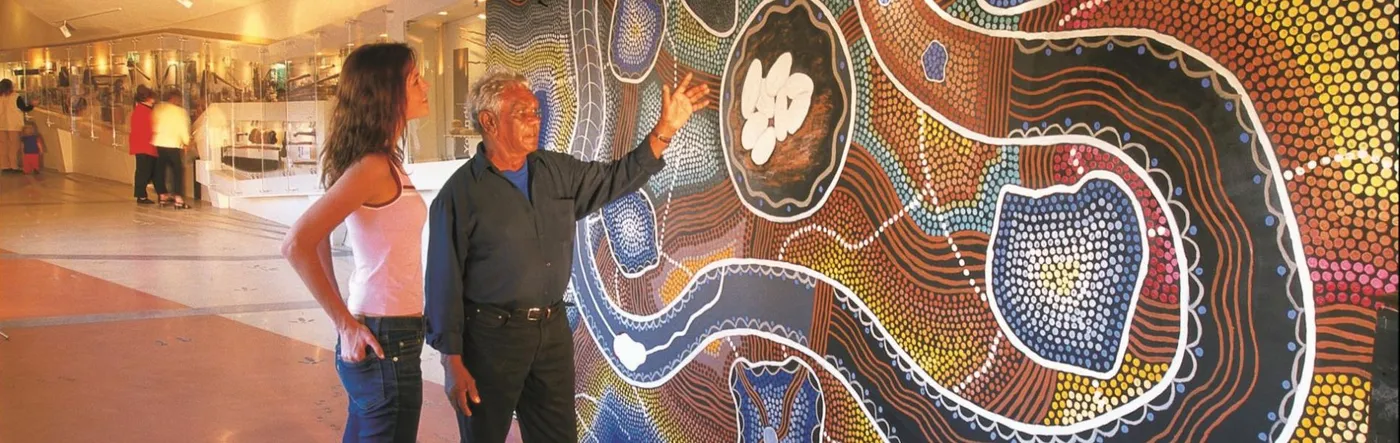
The word Kojonup comes directly from the Noongar language. It combines two elements: 'kodj', meaning stone axe, and 'up', meaning place of water. Together, the name describes a place where stone axes were made near a water source, an accurate description of the site long before European arrival.
The kodj was an essential tool for the Noongar people, crafted from local granite outcrops. Many of those outcrops are still visible around town. The tools were used for hunting, food preparation, and ceremony, and their production at this site was significant enough to name the land after it.
The '-up' suffix appears across dozens of town names in southern WA, each marking a place of cultural or environmental significance. Kojonup is among the most directly descriptive: the name tells you exactly what the place was used for.
The connection between the Noongar language and the land is explored further at the Kodja Place Cultural Centre in the Visitor Centre, which is worth an hour of anyone's time.
Fact 4: Local Sport Has a Strong Community Role
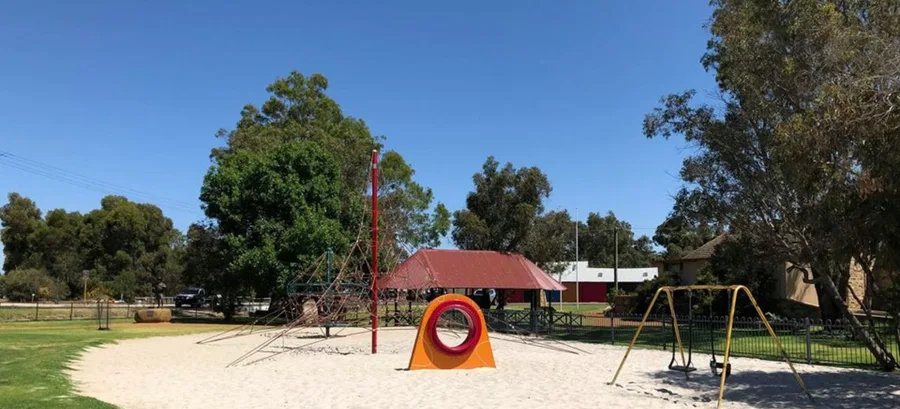
Kojonup is a small town with a surprisingly complete set of sporting facilities, all maintained year-round by the local shire.
Key facilities include an 18-hole golf course, a 50-metre swimming pool, an outdoor skate park, and the Kojonup Town Oval, which hosts local football and netball throughout the winter and spring seasons. These are not weekend-only facilities. They are actively used by residents and are open to visitors during standard shire hours.
For travellers staying overnight, most facilities are within easy reach of Cornwall House Accommodation on Albany Highway. Confirm opening hours with the Kojonup Visitor Centre before heading out, as seasonal schedules apply.
Fact 5: The Rose Maze Features Australian-Bred Varieties
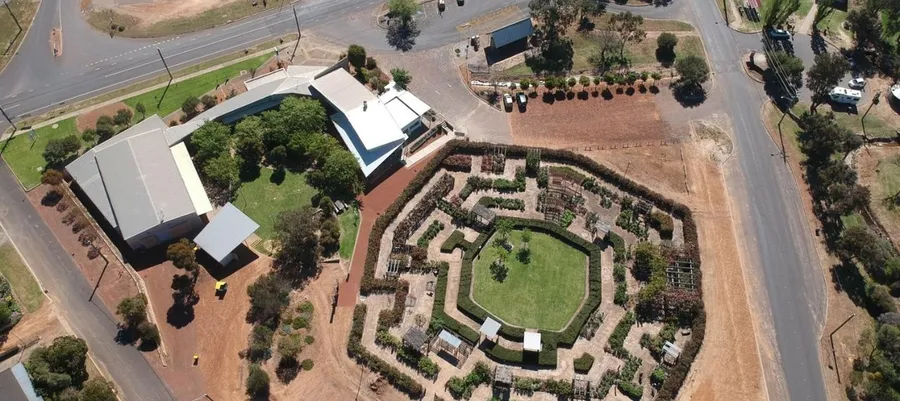
The Australian Rose Maze is one of Kojonup's most distinctive attractions and one of the few of its kind in Western Australia. Located near the town centre, the maze uses only Australian-bred rose varieties: over 2,000 plantings across more than 100 varieties, arranged in walking paths with heritage signage throughout.
Varieties in the maze carry names that reflect Australian agricultural and rural history: Australia Felix, Sunny South, Squatter's Dream, Kwinana. Each is tagged with its name and origin.
The maze is structured around the stories of three women from Kojonup's past: Yoondi, a Noongar woman; Elizabeth, an early European settler; and Maria, an Italian immigrant. Their stories run through the maze as you walk, giving the garden a narrative that goes beyond horticulture.
Entry is free and the maze is open during daylight hours. Peak bloom is November, though roses typically flower from October through to June. Worth checking the Kodja Place website for current conditions before timing a visit around flowering.
Fact 6: Kojonup's Wool Industry Shaped Its Growth
Kojonup played a significant role in Western Australia's wool industry from the mid-1800s onwards. The region's climate and open land were well suited to large-scale sheep grazing, and the local industry grew steadily through the 19th and 20th centuries.
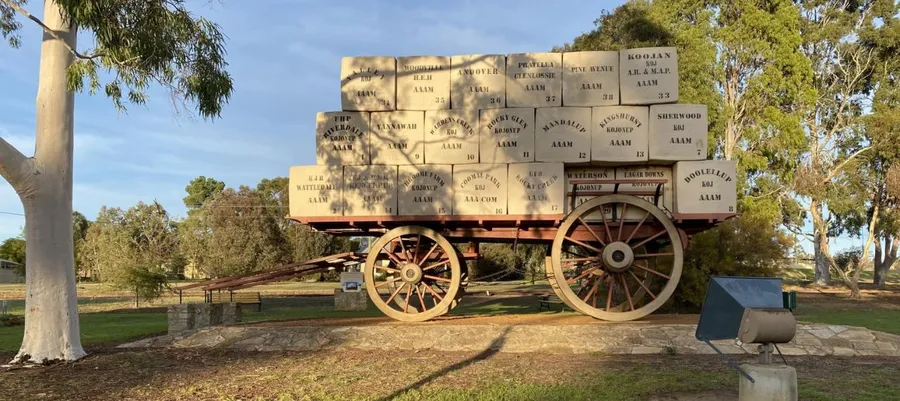
By 1906, the Kojonup shire managed over 10,500 sheep. By 1989, that number had reached one million, making Kojonup the first shire in Western Australia to record that volume of sheep shorn in a single year. To mark the achievement, a one-and-a-half scale replica of a Wool Wagon was officially opened on Australia Day 2001. The Centenary of Federation Wool Wagon sits near the Visitor Centre and is one of the more unusual roadside landmarks in the Great Southern. That is it in the photo at the top of this page.
Other early industries in the region included sandalwood collection, kangaroo harvesting, and canola production. Wool remains central to Kojonup's identity, with active farms still operating across the surrounding district.
Kojonup's Story in Six Dates
| Year | What happened |
|---|---|
| 1837 | Noongar guides lead surveyor Alfred Hillman to the freshwater spring |
| 1840 | Land around the spring is opened for selection |
| 1845 | The 51st Regiment builds the military barracks |
| 1906 | The shire is running more than 10,500 sheep |
| 1989 | Kojonup becomes the first WA shire to shear one million sheep in a single year |
| 2001 | The Centenary of Federation Wool Wagon is unveiled on Australia Day |
Seeing All Six in One Overnight Stop
Everything above sits in or close to the town centre. The spring and the Pioneer Museum are a short walk apart, the Wool Wagon stands beside the Visitor Centre, and the Rose Maze and Kodja Place share the same site. The Military Barracks is the only one that rewards a little planning: tours run on Sundays or by arrangement with the Kojonup Visitor Centre.
A rhythm that works well: arrive mid-afternoon, walk the Rose Maze and Kodja Place before they close, have dinner at one of the pubs and cafes on Albany Highway, then see the spring, museum and Wool Wagon in the morning before you get back on the road. If Kojonup is your halfway stop on the Perth to Albany run, our drive guide covers the whole route leg by leg, and there is more to explore on our attractions page.
Accommodation Access in Kojonup
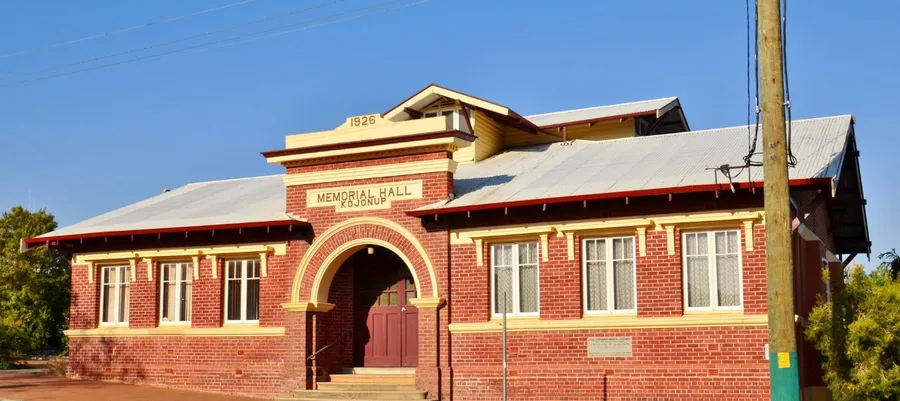
Cornwall House Accommodation is located on Albany Highway in the centre of Kojonup, within walking distance of the Rose Maze, Kojonup Spring, and the Pioneer Museum.
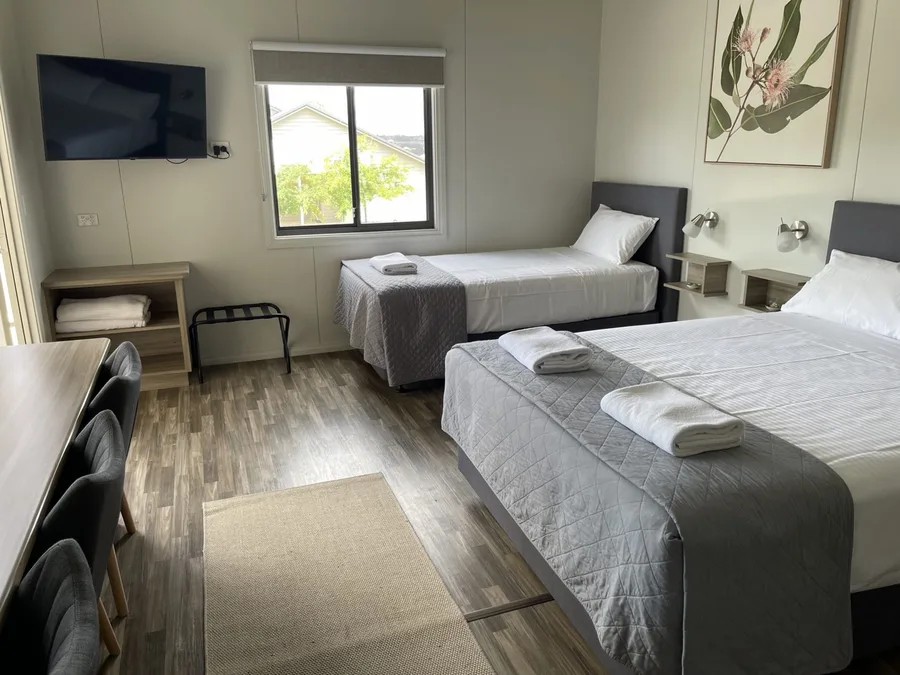
Rooms include reverse cycle air conditioning, free WiFi, ensuite bathrooms, a microwave, refrigerator, and onsite parking. Suitable for solo travellers, couples, families, and small groups. Contactless check-in is available from 2pm.
Or call (08) 9831 0214 during reception hours.
Frequently asked questions
What does the name Kojonup mean?
Kojonup comes from the Noongar language. Kodj means stone axe and up means place of water, so the name describes a place where stone axes were made near a water source.
How far is Kojonup from Perth and Albany?
Kojonup sits on the Albany Highway about 250 km south-east of Perth, around 3 hours by road, and 160 km north of Albany, around 1.5 to 2 hours.
Is the Australian Rose Maze free to visit?
Yes. Entry is free and the maze is open during daylight hours. Peak bloom is November, though roses typically flower from October through to June.
Can you visit the Kojonup Military Barracks?
Yes. The 1845 barracks is preserved by the Kojonup Historical Society as a cultural museum. Public access can be arranged through the Kojonup Visitor Centre, with tours on Sundays.
Is one night in Kojonup enough to see all six?
Comfortably. The spring, the wool wagon, the Rose Maze and Kodja Place are all close to the town centre, and Cornwall House is within walking distance of most of them. Arrive mid-afternoon, stay the night and see the rest in the morning.