Discovering the local Indigenous culture of Kojonup is an eye-opener. As a visitor you will gain an insight into how the Noongar people thought, lived and celebrated, and how that culture is still practised and shared today. Every artefact and tradition handed down through the generations reflects an identity that long pre-dates the town itself. The best part for travellers: you do not need to go looking for it. The town's most significant cultural site sits right on Albany Highway, a short walk from your Kojonup accommodation.
Know Kojonup
Discovering the local indigenous culture: A guide to Kojonup's aboriginal heritage and cultural experiences
Western Australia is home to one of the oldest living Aboriginal cultures in the world, and in Kojonup you can meet it on the main street. This guide covers the Noongar story of the town, what to see at Kodja Place, the walk to Kojonup Spring, a few Noongar words worth knowing and where to go next if the experience lights a spark.
Where Kodja Place, at the Kojonup Visitors' Centre on Albany Highway. A short walk up the road from Cornwall House.
How long Allow 1 to 1.5 hours for Kodja Place itself, or an unhurried half day on foot with the Rose Maze and Kojonup Spring.
When Kodja Place is open Tuesday to Sunday. The Rose Maze is at its best from September to November when the roses flower.
The Noongar people of Kojonup
Kojonup gets its name from the kodj, the stone axe traditionally made by the Noongar people from local stone. The Noongar, one of Australia's largest Aboriginal cultural groups, are the original inhabitants of Western Australia's south-west, with a history stretching back thousands of years before European settlers arrived in the district in 1837.
The Noongar people have adapted remarkably to change, ensuring their language, rituals, sacred sites and traditional arts have been passed down through the generations. That dedication is why the culture is still alive to be shared with visitors today.
The foundation of it lies in deep respect for elders and for the land itself. The Noongar share a strong spiritual connection with the beings associated with their traditional country. That bond guides how the land is used and shows up vibrantly in art, storytelling, music and dance. Engaging with it thoughtfully is a powerful way to show respect, and the surest way to understand the spirit of Kojonup. And if you came to town for something else entirely, say our local tips on horse riding in Kojonup, it is well worth adding a morning for the cultural side of town.
The anchor
Start at Kodja Place
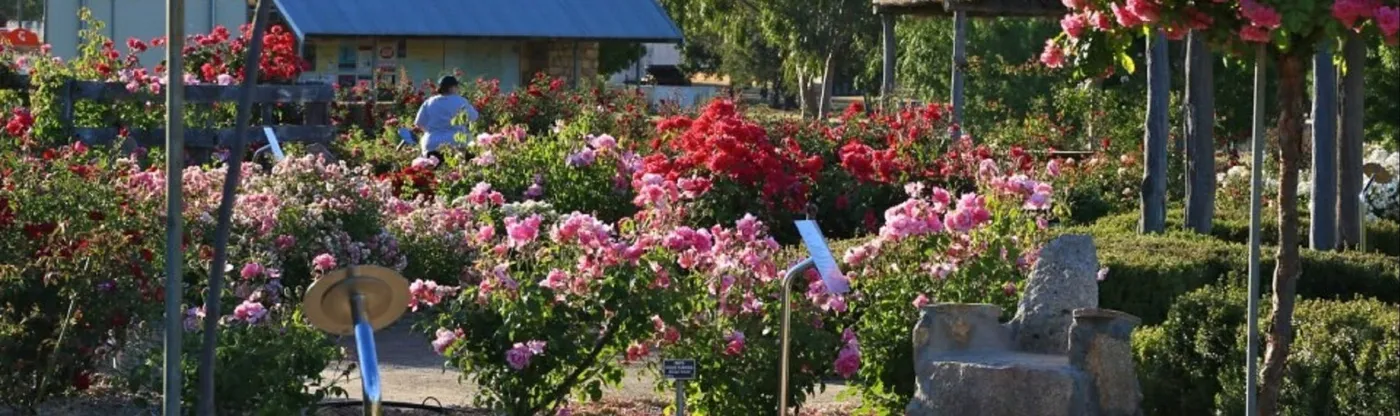
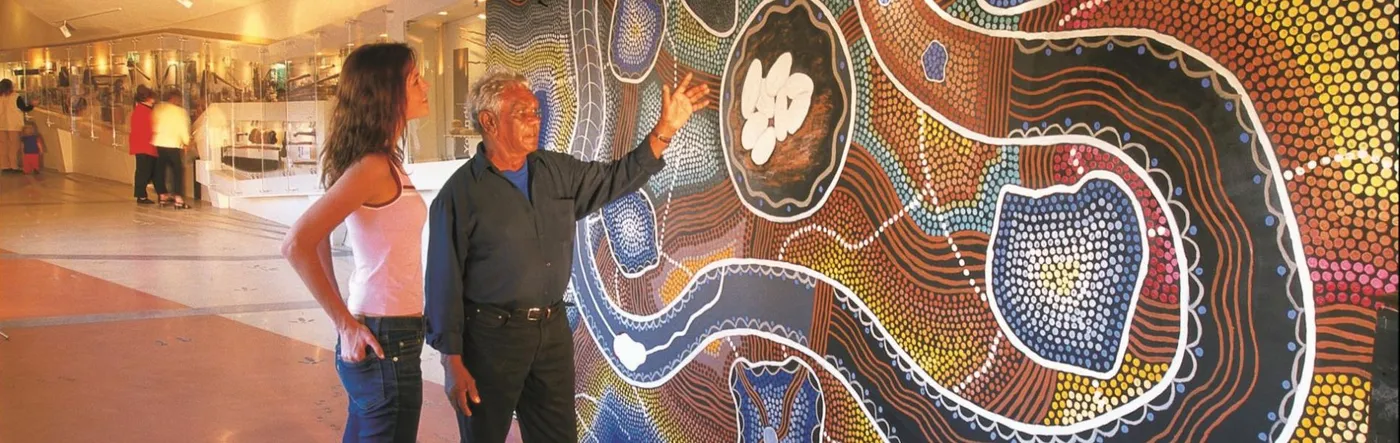
Kodja Place is the genuine anchor of any cultural visit to Kojonup. Found at the Kojonup Visitors' Centre on Albany Highway, it is an architecturally designed rammed-earth building in the shape of a kodj, and it embraces the One Story Many Voices history of Kojonup: Noongar and settler stories told side by side rather than one over the other.
Inside, the Gallery and Story Place holds an interpretative display of photographs, art and objects from Noongar culture alongside the farming history of the district, backed by recorded stories and short videos, so you hear the history in local voices rather than just reading placards.
It is also deliberately hands-on. Sit on the school bus, drive the farm ute, walk the boards of a typical shearing shed, even check the rain gauge and the farm budget. Kids stay interested because the history never sits behind glass.
Look for these in the gallery
- A genuine Noongar stone axe, the kodj the town is named for
- A tammar-skin rug
- A Noongar-Maori wedding cape
- Noongar and farming stories, photographs and short videos
Practical details
- Open Tuesday to Sunday; check ahead for public holidays
- Allow 1 to 1.5 hours
- Outside: grassed courtyard, bush pockets of native plants, a stage and a traditional Mia Mia shelter
- The Black Cockatoo Cafe, open 7 days, is inside Kodja Place, so a coffee stop is built in
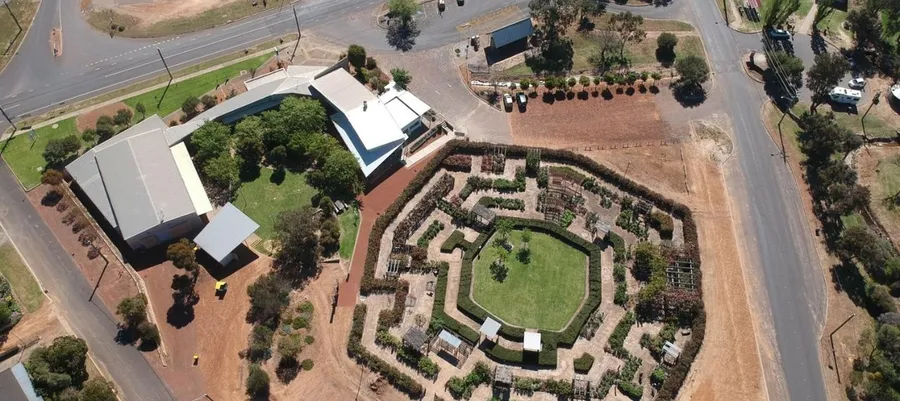
Beside Kodja Place
The Rose Maze: three women, one hundred years
The Australian Rose Maze is an iconic feature of Kojonup: a 500-metre walking path through 2,000 Australian-bred rose bushes, free to enter and open during daylight hours. As you trace the pathways you follow the interwoven stories of three Kojonup women: Yoondi, a Noongar woman, Elizabeth the English settler and Maria the Italian migrant, told through printed words, mosaics, a journal and poignant letters home.
It is a quietly moving way to walk through 100 years of Noongar, English and Italian experience in one country town. The maze can be walked year round and is at its best from September to November when the roses are in flower.
Where the town began
Kojonup Spring
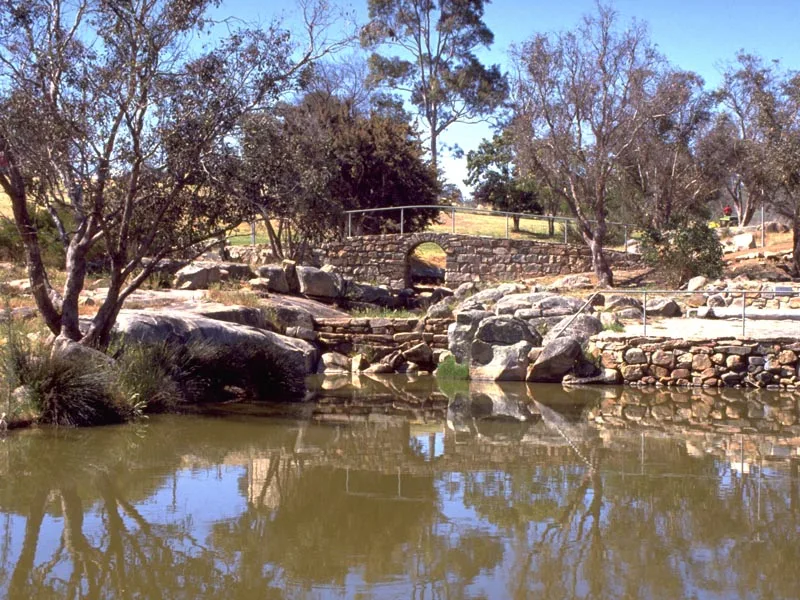
A short walk from the town centre, Kojonup Spring is the freshwater source that first drew the Noongar people to this place, and later the European settlers who followed. Standing at the spring, you are at the reason Kojonup exists at all.
The spring sits on the edge of Rotary Park off Spring Road, with picnic facilities and shaded seating. Entry is free, and it pairs naturally with Kodja Place for an unhurried half day on foot.
How guests do it
An easy half day on foot
All three sites sit within a short walk of our front door on Albany Highway, so you can leave the car parked at your room.
First
The Gallery and Story Place
Walk up Albany Highway to Kodja Place and give the gallery, stories and hands-on displays a relaxed 1 to 1.5 hours. Look for the kodj, the tammar-skin rug and the wedding cape.
Then
The courtyard, maze and a coffee
Step out to the courtyard and Mia Mia, walk the Rose Maze and follow the stories of Yoondi, Elizabeth and Maria, then stop at the Black Cockatoo Cafe inside Kodja Place.
To finish
Kojonup Spring and Rotary Park
Wander down to the spring where the whole story began, find a shaded seat in Rotary Park and let the afternoon slow down. Entry is free.
The language
A few Noongar words you will meet
Part of the pleasure of a cultural visit is the language. Australian English has borrowed over 400 words from Aboriginal languages; koala, kangaroo, boomerang and wombat are a few you already speak. Around Kojonup, these are the Noongar words you will encounter:
| Noongar word | Meaning | Where you will meet it |
|---|---|---|
| Kodj | Stone axe | The town's name and the shape of the Kodja Place building; a genuine kodj is in the gallery |
| Mia Mia | Traditional shelter | In the courtyard at Kodja Place, beside the Rose Maze garden |
| Bindi Bindi | Butterfly | The name of Bindi Bindi Dreaming, a Noongar cultural tour experience in the south-west |
| Kaatadjiny | Knowledge, learning | What guides share on Noongar-led tours: culture and knowledge passed down by elders for generations |
| Yoondi | A Noongar woman's name | One of the three women whose stories are told through the Rose Maze |
Worth the extra morning
Why make time for a cultural experience
If you are weighing up whether to give Kojonup the extra morning, here are five reasons an Aboriginal cultural experience belongs on your WA itinerary.
01
It broadens your perspective
You will see the country differently through an Indigenous lens. Who would have thought of the bush as a toolbox? Knowledge passed down through the generations carries an encompassing view of the world and all living things.
02
An unbroken tradition of storytelling
Dreamtime stories carry the spiritual identity of Aboriginal people: ancestral spirits came in human form and created the plants, animals, rocks and landforms, then changed into features of the country. Stories of hardship and triumph will stay with you long after the drive home.
03
It is genuinely fun
Between the interactive displays at Kodja Place, the maze, the bush tucker flavours on guided experiences and the borrowed words you already speak, this is learning that never feels like homework.
04
Guided access goes further
Exploring with an Aboriginal tour guide opens up sites, stories and country you simply cannot reach on your own, and the chance to meet the communities who hold them.
05
It is a great bonding experience
A cultural experience shared with family and loved ones is the tie that binds, and Kojonup's version of it is walkable, affordable and unhurried.
Visit respectfully Join Noongar-led experiences where they are offered, ask before photographing people or artworks, and treat cultural sites as the living places they are rather than relics.
If it lights a spark
Further afield: Aboriginal experiences across the south-west
Kodja Place is the anchor, but the wider south-west rewards a longer trip. These are the experiences we point guests toward.
Bindi Bindi Dreaming
Journey like a bindi bindi (Noongar for butterfly) on a walking cultural experience: stories shared in the bush, lively conversation along the track, and bush tucker tastings of lemon myrtle, saltbush, wattleseed and more.
Ngilgi Cave, Yallingup
One of the Margaret River region's signature attractions. Explore the cave at twilight and hear a live didgeridoo performance deep inside the rock walls; the capes of the region hold significant Aboriginal places, with sunrise seascape experiences that pair stories from the didgeridoo with native bush foods.
Cape Naturaliste and the Margaret River region
Visits to landmarks like Sugarloaf Rock and the Cape Naturaliste Lighthouse take on a deeper meaning when you learn about the Noongar seasons, the ecology of the region and how the two relate.
Bunbury and Koombana Bay
Visit significant sites around the Bunbury region and hear the Dreaming stories associated with them, shared by local guides passing on culture and knowledge, kaatadjiny, handed down by elders for generations.
Stay the night
Your base for a Kojonup cultural experience
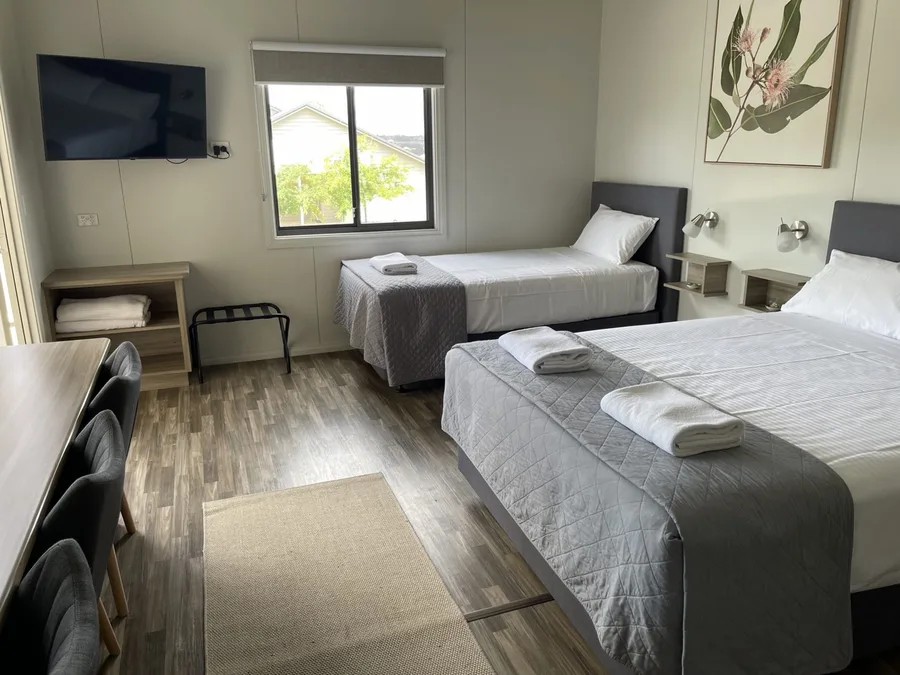
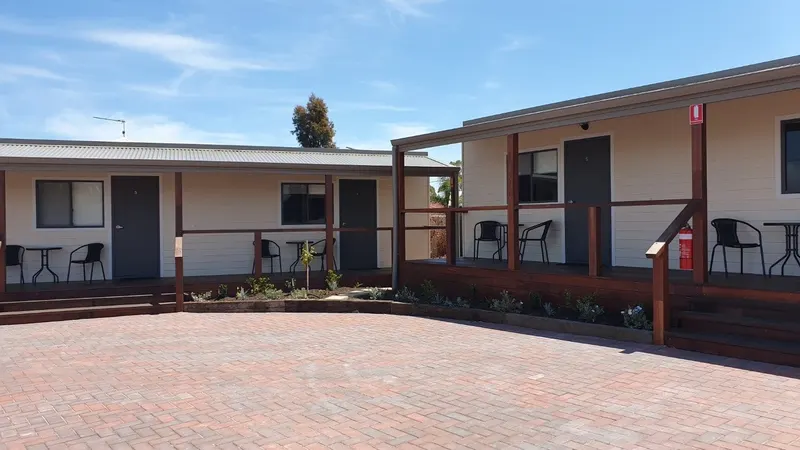
Kojonup lets you experience a living Aboriginal culture without queues or crowds, on the main street of a genuine country town. Cornwall House Accommodation at 70-72 Albany Highway puts you a short walk from Kodja Place, with well-appointed rooms and warm country hospitality, so you can see the gallery in the morning before the road calls again.
Before you go
Questions visitors ask about Kojonup's Aboriginal heritage
What does the name Kojonup mean?
Kojonup takes its name from the kodj, the stone axe the Noongar people traditionally made from local stone. You can see a genuine kodj in the gallery at Kodja Place, and the building itself is shaped like one.
Where is the best place to learn about Noongar culture in Kojonup?
Kodja Place, at the Kojonup Visitors' Centre on Albany Highway. Its One Story Many Voices approach tells Noongar and settler history side by side through artefacts, photographs, stories and short videos. It is open Tuesday to Sunday and most visitors allow 1 to 1.5 hours.
When is the best time to visit the Rose Maze?
September to November, when the 2,000 Australian-bred rose bushes are in flower. The maze itself, and the story of Yoondi, Elizabeth and Maria told through it, can be walked year round during daylight hours, and entry is free.
Is Kodja Place suitable for children?
Yes. It is deliberately interactive: kids can sit on the school bus, drive the farm ute, walk the boards of a shearing shed and check the rain gauge, so the history holds their attention rather than sitting behind glass.
How far is Kodja Place from Cornwall House?
Both are on Albany Highway in the centre of Kojonup, so it is a short walk up the road from our front door. There is also parking at the Visitors' Centre if you would rather drive.