Many visitors head to the Great Southern region for its natural parks, wineries and remote coastline. But rushing through plans or underestimating local conditions can lead to delays, missed bookings, or even health and safety issues.
Travellers often overlook how remote and weather-dependent the region is, and poor planning turns a relaxed trip into a stressful one. Without the right preparation you could face road closures, poor mobile reception, limited access to fuel, and last-minute cancellations, and those risks climb during peak periods or bad weather.
This guide offers practical travel safety tips across driving, packing, weather planning and local area support. Use it to avoid the avoidable and focus on enjoying your trip.
Plan Travel Routes and Know Local Advice
Researching your destination is the first step to a safer trip. Start by checking road closures and trail notices from the Department of Biodiversity, Conservation and Attractions WA.
Many roads and tracks in the Great Southern region are unsealed and may close after rain, especially in areas like the Stirling Range or Fitzgerald River National Park. Always carry a printed map or a downloaded GPS route, especially in low-reception zones like the stretch between Bremer Bay and Walpole.
Local visitor centres are the best source of current regional updates: maps, weather alerts and seasonal advice. If you plan to hike or explore forest reserves, log your destination and expected return time with accommodation staff or a travel contact.
WA's regional terrain covers large distances between towns, and travelling without clear routing wastes fuel and time. Preparing your stops early avoids night driving in wildlife zones and takes the stress out of the trip.
Bring Essentials for Long Drives and Emergencies
Carrying the right supplies protects you from delays and unexpected stops. In remote areas, food and petrol options may be limited, so always pack:
- Water, at least 2 to 3 litres per person per day
- A portable charger or power bank
- A torch and spare batteries
- A first aid kit
- Printed accommodation or car hire confirmations
- Light snacks with a long shelf life
Include sun protection (hat, sunscreen, sunglasses) and mosquito repellent for bush visits. If you are heading off-grid or camping, bring a hard copy of your booking reference and emergency numbers in case your phone loses reception.
You should also carry a secondary copy of your ID, Medicare card or licence, which are useful if the originals are lost or damaged. For bush tracks, don't rely on mobile maps alone: apps like Maps.me or downloaded Google Maps still work offline.
Always refuel before leaving town. Gaps between service stations can be 80 to 150 kilometres in parts of the region.
Dress Based on Coastal and Inland Conditions
WA's southern coast is known for cold fronts, wind and sudden temperature changes. Even in spring, Katanning, Albany or Mount Barker can drop from 20°C to 12°C in a few hours, so plan your clothing with wind and water protection in mind.
Bring a waterproof jacket, fleece layers and enclosed shoes. Gumboots or waterproof hiking boots are also useful in forested or muddy areas, and gloves and a beanie are worth packing for dawn hikes or overnight stays in the national parks.
Humidity and rainfall also rise from July to September. Pack quick-dry materials rather than heavy cotton, which stays damp longer. During the warmer months, long sleeves help block sun exposure and insect bites.
Daytime may be dry, but inland temperatures fall quickly below 10°C at night. Layered clothing keeps you warm without overheating indoors, and rain jackets or ponchos should be lightweight, especially if you are carrying them in a backpack or travel bag.
Prepare Indoor Options for Rain or Delays
Outdoor plans often face disruption here thanks to fast-moving weather systems. Always have a backup of indoor activities when you are staying in remote areas or small towns.
Rain may cancel beach walks, forest treks or winery garden visits. Choose accommodation with a shared lounge, cooking area or heating for extended indoor stays. Many visitors bring:
- An e-reader or physical books
- Offline playlists or downloaded shows
- Travel-sized puzzles or card games
- A sketchbook or journaling materials
This avoids the stress of trying to rearrange bookings during a storm. Most small towns don't have a cinema or indoor recreation venue, so bring your own entertainment.
WA accommodation varies. Some places have common areas for board games, tea or a shared lounge, so check these features before you book. Having alternative activities keeps trips enjoyable when the weather closes the outdoors off.
Follow Local Rules and Avoid Risky Areas
The Great Southern region includes Aboriginal heritage zones, protected parks and environmental conservation sites. Respect all signage, rules and restricted-access zones to avoid fines or harm to the environment.
Stay on marked trails when hiking. Going off-track increases erosion and can lead to accidents or getting lost. If you are joining a guided activity, listen to the safety briefing and raise any concerns with the provider.
Always observe fire bans, which are common in the warmer months. Barbecues, open flames and camping stoves may be restricted depending on the fire danger rating for the day.
Book tours, tastings and accommodation in advance, especially during holiday periods. Some businesses in the region operate with limited staff and fixed time slots, so check operating hours before visiting and allow a little flexibility in your schedule.
Following local guidance makes for a safer trip, reduces risk to the environment, and helps keep access open for future visitors.
Travel in Small Groups to Improve Safety and Access
Smaller groups are easier to manage, especially when booking transport, meals or accommodation. Travelling in a party of two to four keeps the logistics simple and eases the strain on local operators.
Many regional providers, including wineries, cafes and tour guides, operate with limited staff. Smaller parties can usually be served faster and with more flexibility, and it is easier to make last-minute changes or adjust plans around weather or traffic.
From an environmental perspective, small groups reduce trail damage, noise and waste. That matters in fragile areas like Fitzgerald River National Park or the Porongurup Range.
Safety is another factor. With fewer people, head counts, emergency exits and car space are easier to manage, which is why tour operators often cap group size for remote hikes or 4WD trips.
Use Driving Safety Rules for Regional Roads
Regional roads vary in quality. In WA, all drivers must keep left, follow roundabout rules, and avoid phone use unless it is hands-free. Use your headlights in fog or rain, and always give way to vehicles already in a roundabout.
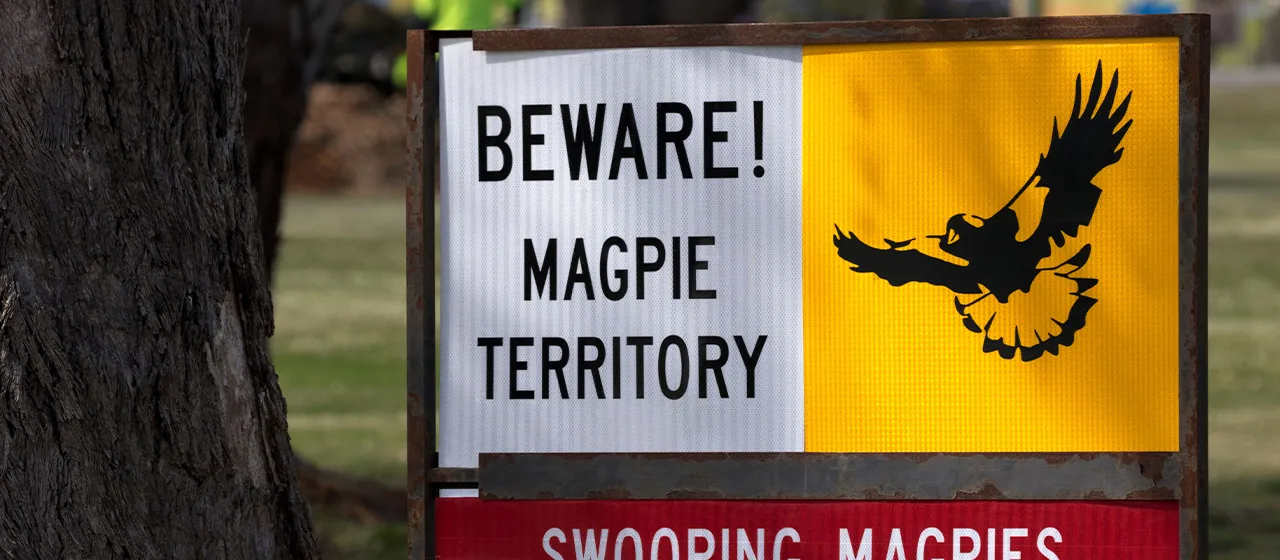
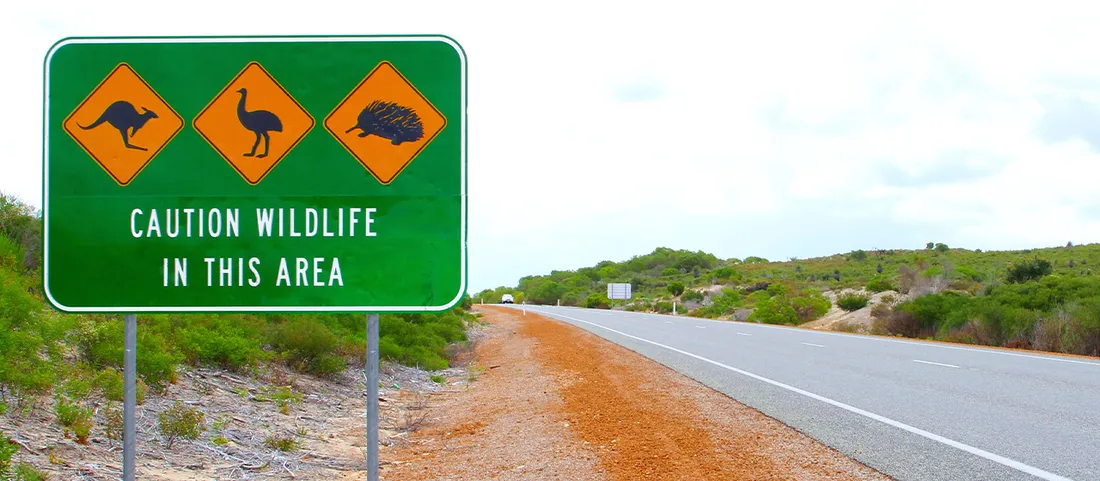
Animals such as kangaroos and emus are active at sunrise and sunset. Slow down during these hours, especially on the country roads between towns like Gnowangerup and Cranbrook, where wildlife collisions are a major cause of rural accidents.
Always wear a seatbelt and carry your licence and insurance details. If your licence is not in English, carry an international permit.
WA Police actively patrol the regional highways, and fines apply for speeding, illegal phone use and alcohol-related offences. Don't attempt long drives without breaks: stop every two hours to rest and refuel.
Drive Safely on Unsealed Roads
Gravel roads are common in the Great Southern region, and they call for slower speeds and alert driving to stay in control. If you are not used to gravel, reduce speed before turns and avoid sudden braking.
Stay alert for loose stones, soft road edges and passing vehicles that kick up dust. Dust clouds cut visibility quickly, so keep your headlights on and increase your following distance.
Use low gears on steep sections, and avoid driving after heavy rain unless you have a suitable vehicle, as unsealed roads can turn muddy or unstable during storms.
Keep your tyres properly inflated, and check that your spare tyre and jack are in working order before you leave the sealed roads. Avoid unknown tracks without signage or permission.
Many rental agreements exclude damage from unsealed-road use, so check your contract and stay within the permitted areas.
Support Local Operators During Your Stay
Tourism supports small communities across WA's Great Southern. Choosing local shops, produce and services helps keep these towns running year-round.
Buy from bakeries, roadside stalls and weekend markets rather than national chains, and book direct through regional tour operators instead of global platforms. It keeps more of your spend in the area.
Most cellar doors in the region sell small-batch wines you won't find in national outlets, so buying on site gets you exclusive blends and supports regional winemakers directly.
Need essentials? Visit the general stores or family-run fuel stops that also stock fresh produce, household goods and basic travel items.
Supporting local services helps towns maintain their infrastructure and staff. Ask your accommodation provider about nearby restaurants, events or stops worth visiting during your trip.
Book with Cornwall House Accommodation
Cornwall House Accommodation gives you easy access to the parks, wineries, walking trails and seasonal events of the Great Southern region, and a safe, comfortable base to come home to at the end of the day.
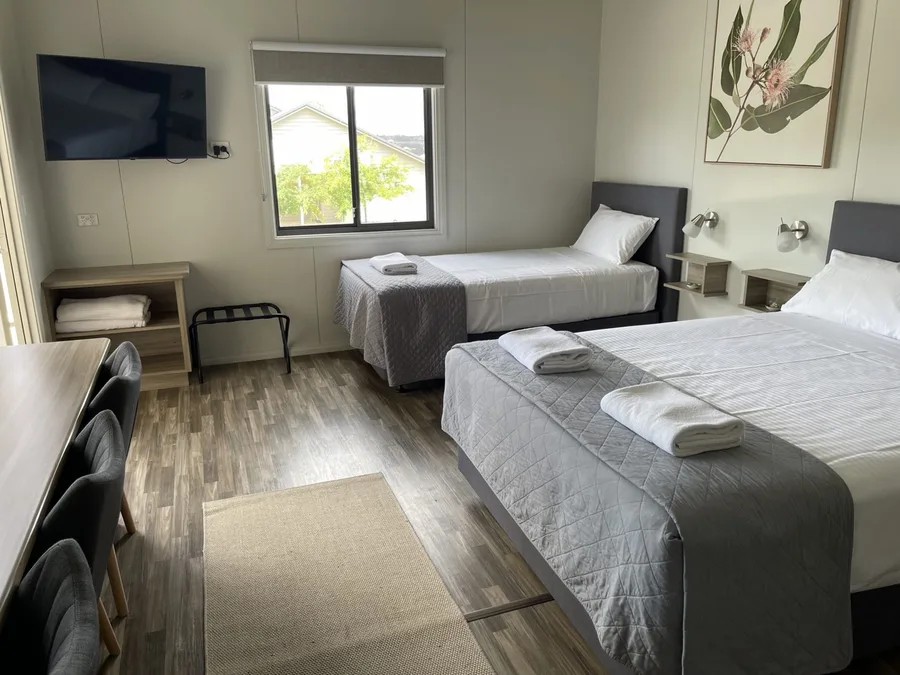
Our 12 air-conditioned rooms at 72 Albany Highway in the heart of Kojonup each have an ensuite, free WiFi, tea and coffee making facilities, a microwave and refrigerator, with free onsite parking and a shared camp kitchen for guests. Contactless check-in from 2pm means a long day on the road never leaves you locked out, and our team is happy to help with travel information, planning advice and local recommendations.
Contact us to check rates and availability, or book direct for the best rate.
Check availability and book Call us (08) 9831 0214
Frequently asked questions
Is fuel available late at night in remote towns?
No. Most regional fuel stations close by 6 to 8pm, so always refuel before sunset.
Can I drive on the beach in WA's southern region?
Only in designated areas with a suitable 4WD and the right permits. Check the signage first.
Are national parks open year-round?
Most are, but some areas close during extreme weather or fire season. Check before you visit.
Do I need a park pass?
Yes. WA Parks Passes apply to many national reserves. Buy one online or at a visitor centre.
What should I do in an emergency?
Call 000 for police, fire or ambulance. Reception may be limited, so move to high ground or a main road if you need signal.