A stay in Kojonup puts you in easy reach of some of the Great Southern's best birdwatching, and you do not need to be an expert to enjoy it. This guide is for guests of Cornwall House: what to expect, the best times to watch, what to bring, and where to head when you want to see more than the everyday town birds.
For a fuller run-down of the district's reserves and species, our companion guide to the best spots for birdwatching around Kojonup covers almost 100 native species across the region. This page is the practical, make-the-most-of-your-stay version.
Local birdlife around Kojonup
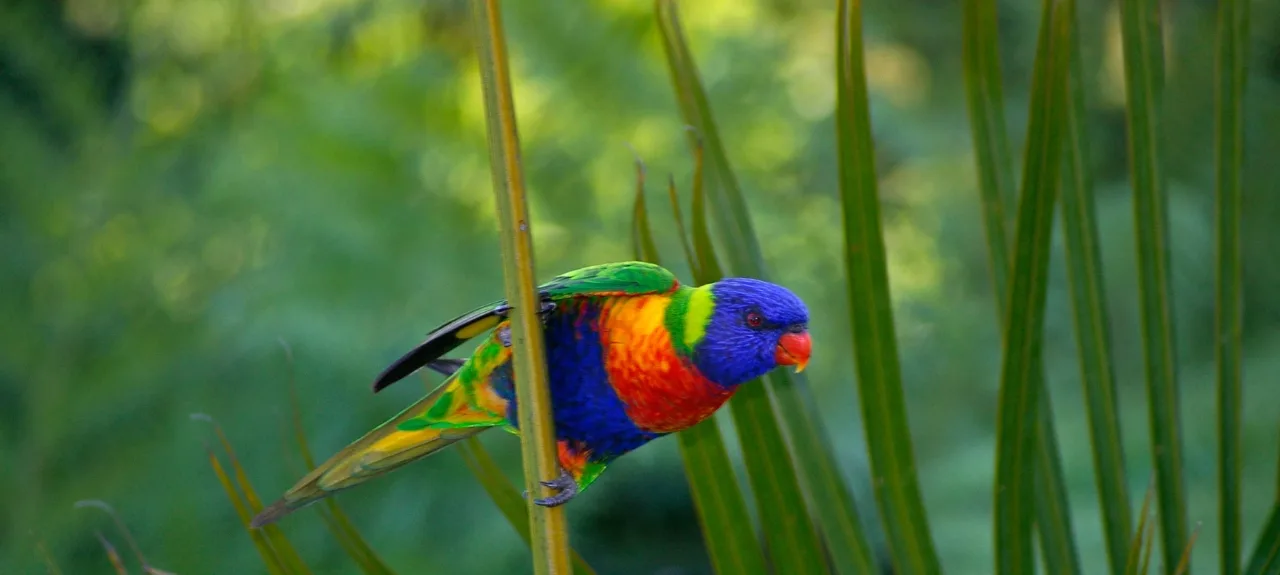
The country around Kojonup hosts several species that are engaging to watch as they feed, preen and interact through the day. Around the town's gardens and street trees you will often notice the chatter of Rainbow Lorikeets, the distinctive warble of Australian Magpies, or King Parrots working through the tree canopies.
These are common across the region but never dull, and they are the easiest birds to get to know before you head out to the reserves for the less common species.
Seasonal bird movements
Some species appear only at certain times of year. Between late spring and early summer, Rainbow Bee-eaters pass through the area, often seen diving after insects on the wing. In the cooler months you might spot Superb Fairywrens hopping low across garden beds and hedges, small, fast, and usually travelling in pairs or family groups.
That seasonal variation means each visit offers a different range of species and a different level of activity, which is part of why keen birders come back at different times of the year.
Best times of day for viewing
Early morning and late afternoon are the most active times. Birds feed and communicate most in the cooler hours, so plan around them.
A short walk before breakfast is the simplest option, or head out to one of the nearby reserves and set up quietly near sunset. Staying still and keeping noise down gives you the best chance of watching undisturbed.
Where to watch near Cornwall House
For everyday birds, the gardens and tree-lined streets around the town centre are enough to get started with binoculars and a coffee in hand. When you are ready for a proper session, the reserves near Kojonup are where the numbers are:
- Farrar Reserve, west of town, is habitat for waterbirds like the Musk Duck, Australasian Grebe, Fairy-wren and Regent Parrot.
- Myrtle Benn Flora and Fauna Sanctuary, just outside town, has recorded more than 50 species, including the Little Eagle, Brown Goshawk and Grey Fantail.
- Kojonup Bush Heritage Reserve, in and around town, holds the largest area of wandoo woodland, with over 80 bush bird species recorded breeding there.
Our district birdwatching guide has directions and species lists for each, and the wildflowers guide covers the same reserves in spring bloom. Reception can point you to whichever suits the season and the weather on the day.
Bird behaviour to observe
Many of the birds you will see display seasonal or courtship behaviours worth watching for:
- Nest building and territory display through the breeding months
- Group foraging in the cooler seasons
- High-circling raptors riding the midday thermals
Remaining still and reducing noise gives you the best chance of watching these interactions play out undisturbed.
Birdwatching for first-time guests
You can enjoy birdwatching without any prior experience, and no specialist gear is needed. A field guide or a phone app helps with identification, and there is plenty to see with only a short, easy walk.
Ask at reception if you would like a steer towards the closest bird activity, and bring a small notepad to record what you see and when. Keeping a running list is half the fun, and it makes the next trip easier to plan.
Watching responsibly
Looking after the birds and their habitat keeps these places worth visiting for everyone who comes after you. Wherever you watch, please:
- Keep to designated paths and tracks
- Avoid approaching nests or ground-nesting birds
- Never feed wildlife
- Keep artificial noise to a minimum, including speakers and call recordings
These simple steps protect the region's biodiversity and support healthy bird populations for future visitors.
What to bring
Most guests can enjoy birdwatching with just a few items:
- Binoculars, or a zoom lens if you like to photograph
- A water bottle and a hat in the warmer months
- A notepad or phone app for tracking species
- Neutral-coloured clothing so you do not spook the birds
A printed field guide is optional but handy for confirming the less common species during the peak migration months.
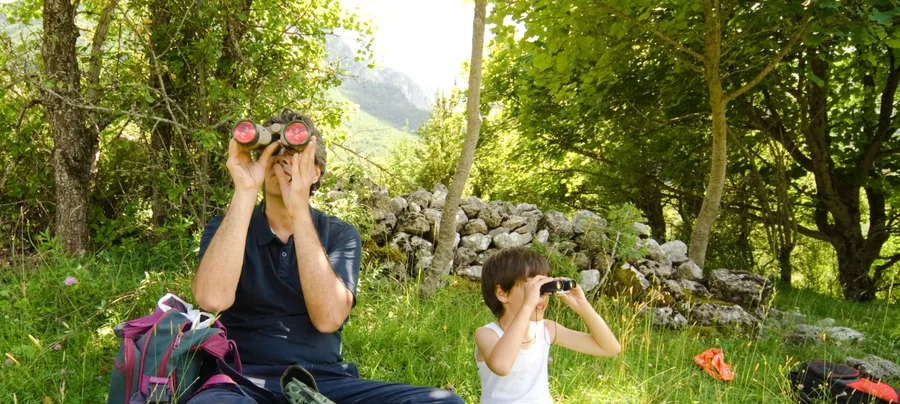
Plan your stay around birdwatching
If birds are the reason for your trip, aim for the shoulder seasons. Late spring, early summer and early autumn give you high species diversity, breeding residents overlapping with migrating visitors, and mild days without the peak-summer heat or the crowds.
Stay close to the birding at Cornwall House
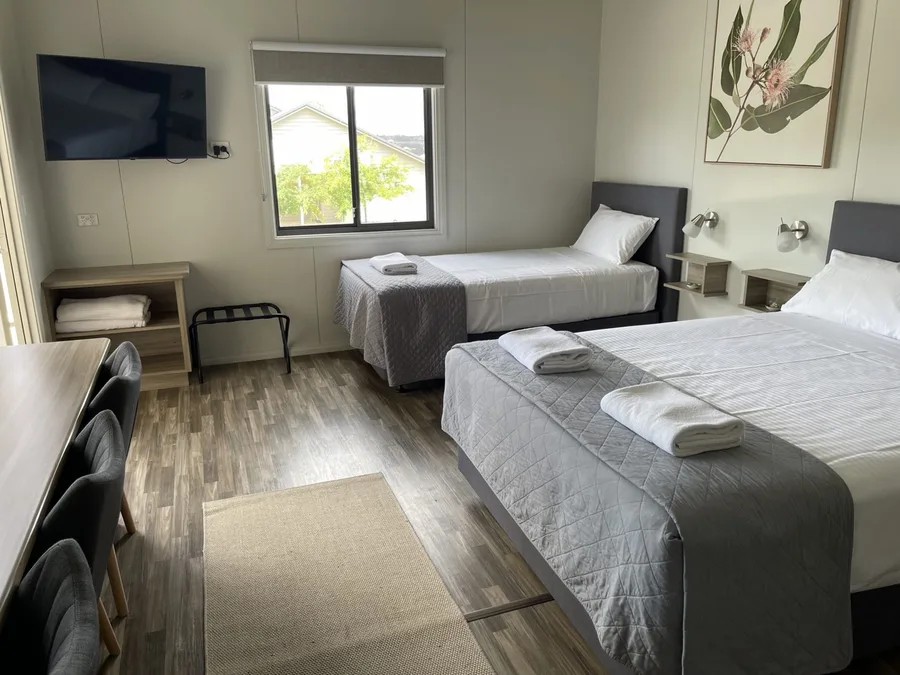
Cornwall House Accommodation sits at 72 Albany Highway in the heart of Kojonup, minutes from town and an easy drive from the reserves. Our 12 air-conditioned rooms (queen, twin and family configurations) each have an ensuite, free WiFi, tea and coffee making facilities, a microwave and refrigerator, with free onsite parking and a shared camp kitchen for guests. Contactless check-in from 2pm means an early start after the dawn chorus, or a long afternoon out among the birds, never leaves you locked out.
See our accommodation page for room details and what is included. You will find us on the map right on the Albany Highway.
Check availability and book Call us (08) 9831 0214
Frequently asked questions
Do I need experience or special gear to go birdwatching?
No. A pair of binoculars and a bit of patience are enough to start, and a free bird ID app on your phone will help you name what you see. Early mornings around town and a short drive to one of the reserves are all a first-timer needs.
What is the best time of day to watch birds around Kojonup?
Early morning and late afternoon. Birds feed and call most in the cooler hours, so a walk before breakfast or a session near sunset gives you the most activity with the least heat.
What birds might I see close to town?
Everyday town birds like Rainbow Lorikeets and Australian Magpies are easy to spot around Kojonup's gardens and street trees. For a fuller list, our guide to the district's birding reserves records almost 100 native species across the Great Southern.
When is the best season for a birdwatching stay?
The shoulder seasons: late spring, early summer and early autumn. Species diversity is high, breeding residents overlap with migrating visitors, and the days stay mild without the peak-summer heat.
Can Cornwall House help me plan a birding day?
Yes. We can point you to the nearby reserves and the closest spots to town, and reception can suggest a route for the day depending on the season and the weather.