Enjoying nature and wildlife is a must-do when you visit Kojonup. Whether you are an experienced birder or just starting to explore the bush, birdwatching is one of the most rewarding ways to slow down and take in the Great Southern, a serene experience that pairs naturally with a few honeymoon ideas in the Great Southern Region.
But why birdwatching?
Aside from being a great hobby, birdwatching brings an array of benefits. If you are new to the outdoors, here are a few reasons to give it a go.
It is good for your mental health
Birdwatchers tend to slow right down. Instead of hurrying to finish the trail, they shift their focus to the feathery creatures around them. Birdwatching gives you a different perspective and helps you calm your mind. In one study, people who live in neighbourhoods with more birds and trees were less stressed and reported less anxiety and depression.
It is good for your body
Because you head outdoors to do it, birdwatching gets you walking around the birding areas. As plenty of research shows, walking regularly can help you live longer, and following the birds tends to lure you into strolling farther than you usually would.
It connects you with nature
People often develop a close connection with the environment when they go out to watch birds in their natural habitat. You start to appreciate nature's beauty, and before long you are more motivated to get outside and keep exploring.
It is something to share
While some people prefer to watch birds alone, it is also a lovely way to strengthen a bond with others. Birdwatching is a family-friendly activity that people of all ages can enjoy.
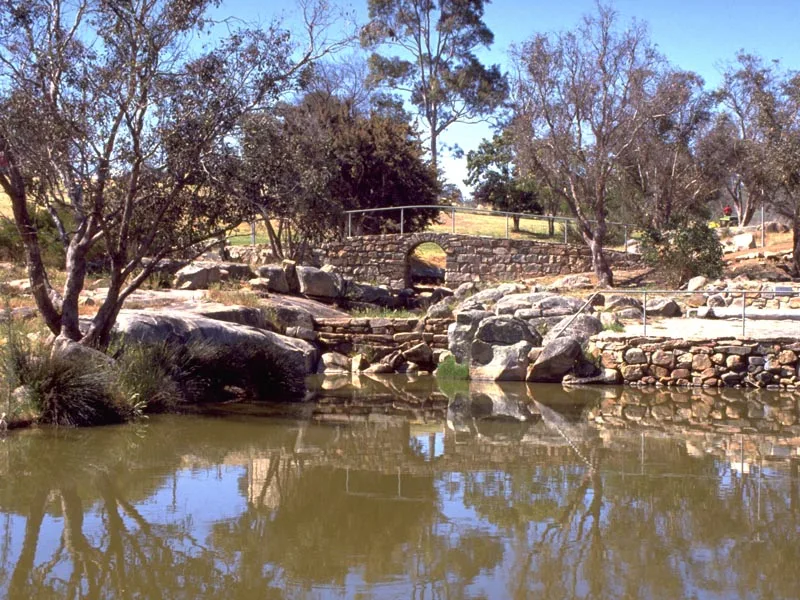
Where to go birdwatching in Kojonup
A bird watcher's paradise, Australia is home to a huge range of endemic species. Kojonup, nestled in the Great Southern region, is home to almost 100 species of native birds.
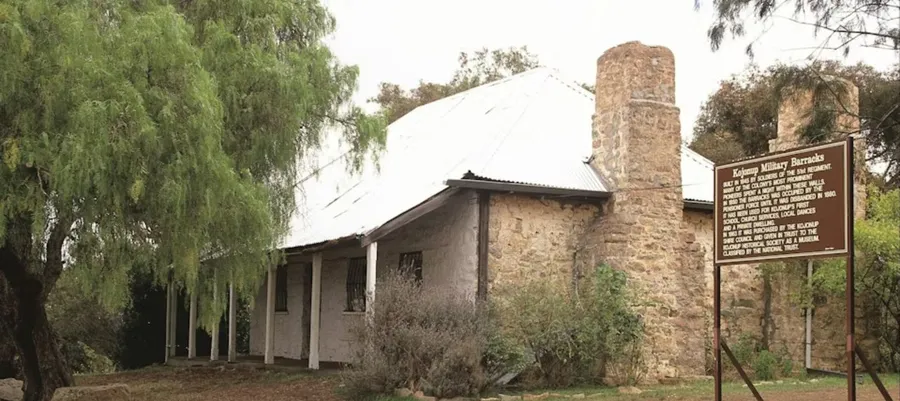
Kojonup is a busy rural community known for the natural freshwater spring that dates back to the 1800s. The spring is said to have drawn the first European settlers to the town. The Old Military Barracks, near the spring, is said to be the oldest surviving military building in Kojonup and in Western Australia. Settle into this community, stay a few days, and you will have time to explore the birding areas properly.
The birding spots at a glance
Four reserves, all reachable from a base in Kojonup, plus a handful of smaller spots minutes from the town centre.
| Spot | From Kojonup | Look for |
|---|---|---|
| Kojonup Bush Heritage Reserve | In and around town | Over 80 species of bush bird in wandoo woodland |
| Myrtle Benn Flora and Fauna Sanctuary | Just outside town | Little Eagle, Brown Goshawk, Grey Fantail |
| Farrar Reserve | West of Kojonup | Musk Duck, Australasian Grebe, Fairy-wren, Regent Parrot |
| Lake Towerrinning Reserve | About 46 km northwest | Blue-billed Duck and other water birds |
Kojonup Bush Heritage Reserve
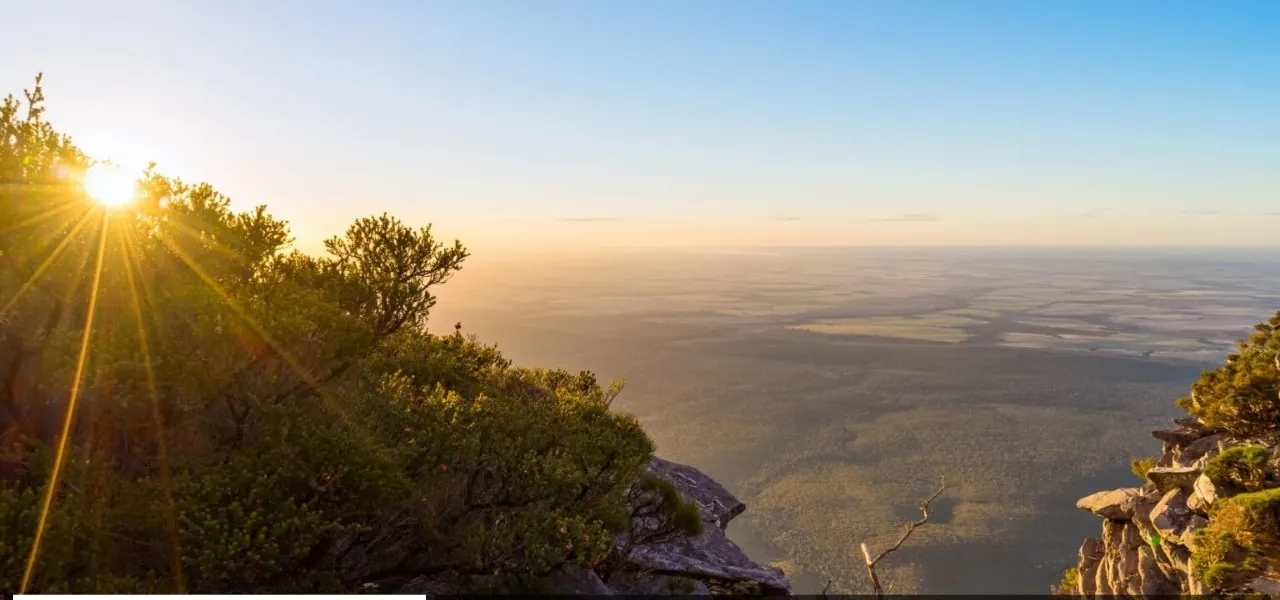
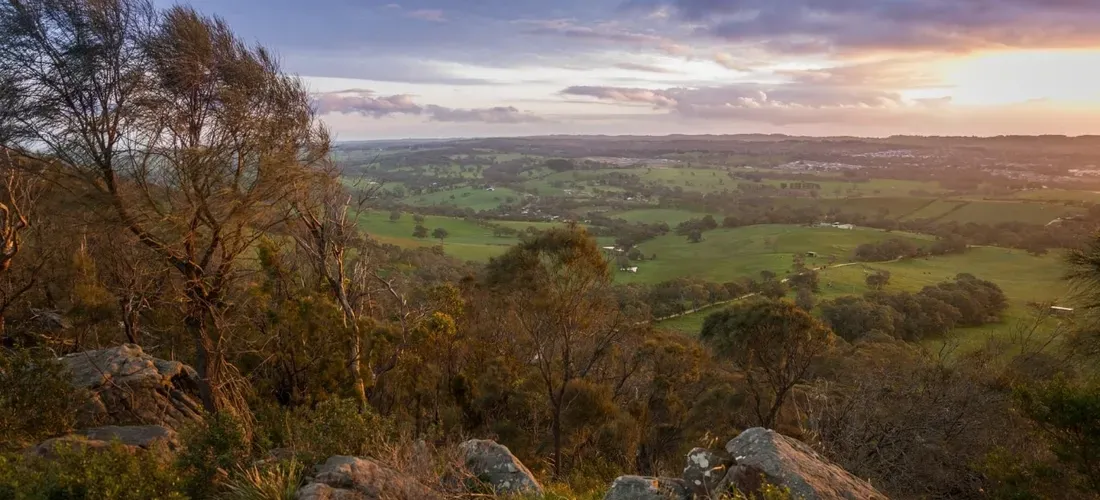
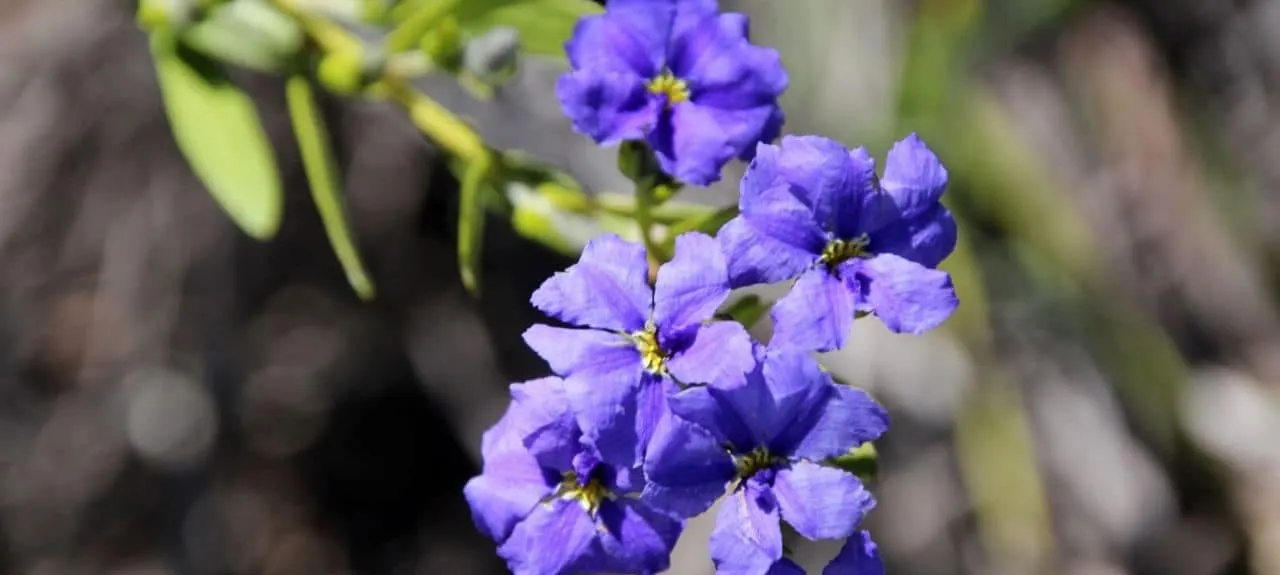
The largest area of wandoo woodland sits in this reserve. Over 80 species of bush bird have been sighted and found breeding in the Kojonup Bush Heritage Reserve. The best time to visit is spring, since summer can be hot and carries a higher risk of wildfires. Come in spring and you will see the wildflowers out alongside the bird activity. Getting here is a three-hour drive from Perth, or about two hours from Albany.
Myrtle Benn Flora and Fauna Sanctuary
Just outside Kojonup, this small reserve is home to the Red-Tailed Phascogale, native birds (53 different species according to one birder) and small mammals. The marri and wandoo trees make it a good nesting area, and among the more interesting species are the Little Eagle, Brown Goshawk and Grey Fantail.
Quick fact: the sanctuary is named after its founder, Mrs Myrtle Benn, a school teacher who was fond of taking her students outdoors.
Farrar Reserve
West of Kojonup, Farrar Reserve covers over 1,000 acres of woodland and wildflowers, including some endangered plant species. It is a habitat for waterbirds such as the Musk Duck, Australasian Grebe, Fairy-wren, Scarlet Robin and Regent Parrot. When you are done birdwatching, there is room to run, walk and cycle too.
Lake Towerrinning Reserve
This 265-hectare property is popular not only for birdwatching but also for water activities like kayaking, water skiing and swimming. The trail walk takes about 1.5 hours to complete, and along the way you may spot Blue-billed Ducks and other water and bush birds. Lake Towerrinning Reserve is about 46 kilometres northwest of Kojonup.
Some other areas worth exploring include the Show Ground and Golf Complex, Martup Reserve, the reserves around Boscabel, and Birdwood Reserve. These are all just a few minutes from the heart of Kojonup, and each pairs birdwatching with other outdoor activities that make a trip to Kojonup memorable.
A quick tip: read up on some of the birds mentioned here before you go. There are plenty of surprising qualities to these species, and knowing a little about them beforehand will only make the spotting more fun. And remember to record your sightings on your camera or phone, then share them to encourage friends to come birdwatching on your next visit. If wildflowers are on your list too, our wildflowers guide covers the same reserves in bloom, and there is more birdwatching close to our front door.
Where to stay for your Kojonup birdwatching trip
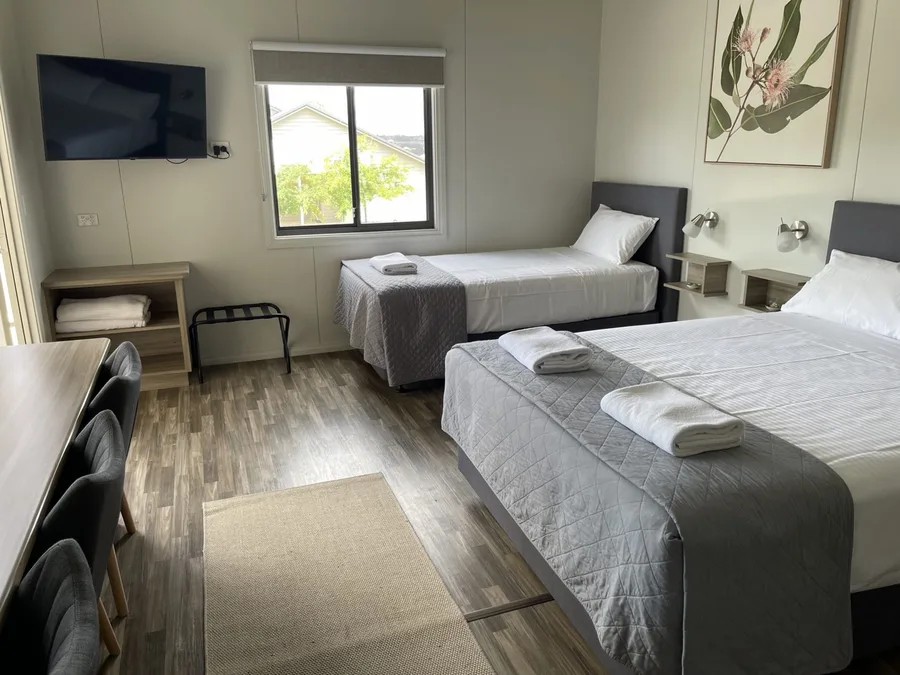
Cornwall House Accommodation sits at 72 Albany Highway in the heart of Kojonup, which makes everything easier during your stay. After a day out among the reserves, you can rest easy back at your room. Our 12 air-conditioned rooms (queen, twin and family configurations) each have an ensuite, free WiFi, tea and coffee making facilities, and a microwave and refrigerator, with free onsite parking and a shared camp kitchen for guests. Contactless check-in from 2pm means an early start or a long afternoon of birding never leaves you locked out.
See our accommodation page for room details and what is included, or get in touch through our contact page. Call us on (08) 9831 0214 or email stay@cornwallhouseaccommodation.com.au to book ahead. You will find us on the map right on the Albany Highway.
Check availability and book Call us (08) 9831 0214
Frequently asked questions
How many bird species can you see around Kojonup?
Kojonup sits in the Great Southern and is home to almost 100 species of native birds. Over 80 bush bird species have been recorded breeding in the Kojonup Bush Heritage Reserve alone, and one birder counted 53 species at the Myrtle Benn sanctuary.
When is the best time to go birdwatching in Kojonup?
Spring. Bird activity is at its peak and the wildflowers are out, and it avoids the summer heat and the higher risk of wildfires. Visit the Bush Heritage Reserve in spring and you get both the birds and the blooms.
Which birdwatching spot is closest to town?
The Show Ground and Golf Complex, Martup Reserve and Birdwood Reserve are all just minutes from the centre of Kojonup. Myrtle Benn and Farrar Reserve are a short drive out, and Lake Towerrinning is about 46 kilometres northwest.
What birds might I see near Kojonup?
Look for the Little Eagle, Brown Goshawk and Grey Fantail at Myrtle Benn, and waterbirds like the Musk Duck, Australasian Grebe, Fairy-wren and Regent Parrot at Farrar Reserve. Lake Towerrinning is a good spot for Blue-billed Ducks and other water birds.
How far is Kojonup from Perth and Albany?
About a three-hour drive from Perth and around two hours from Albany, on the Albany Highway.