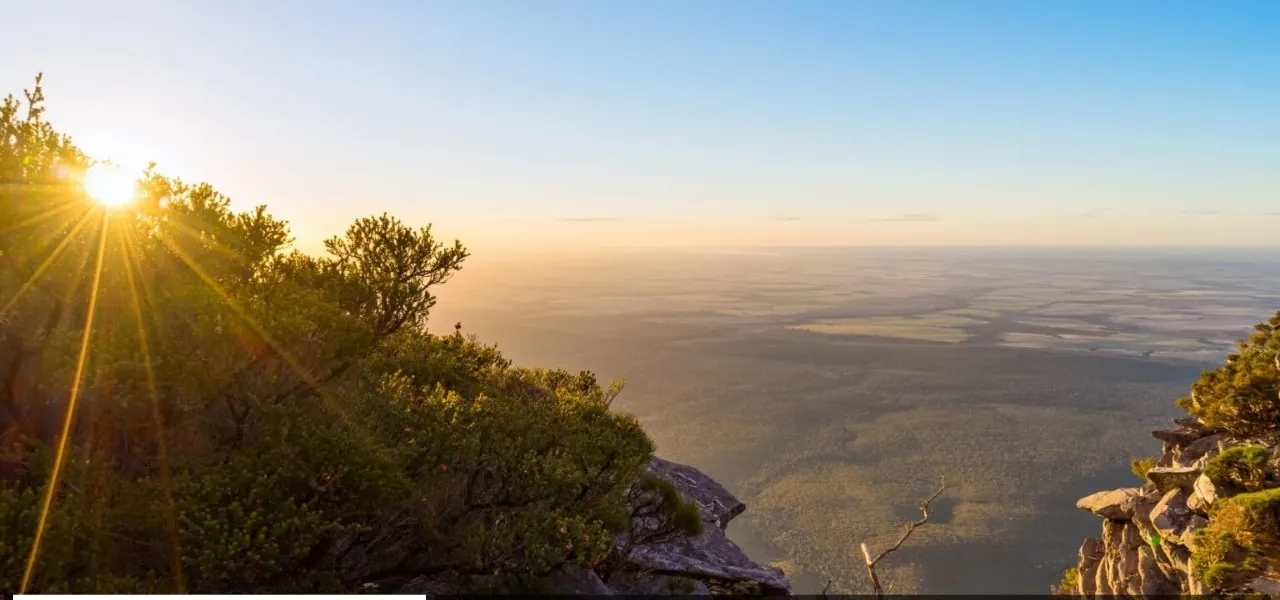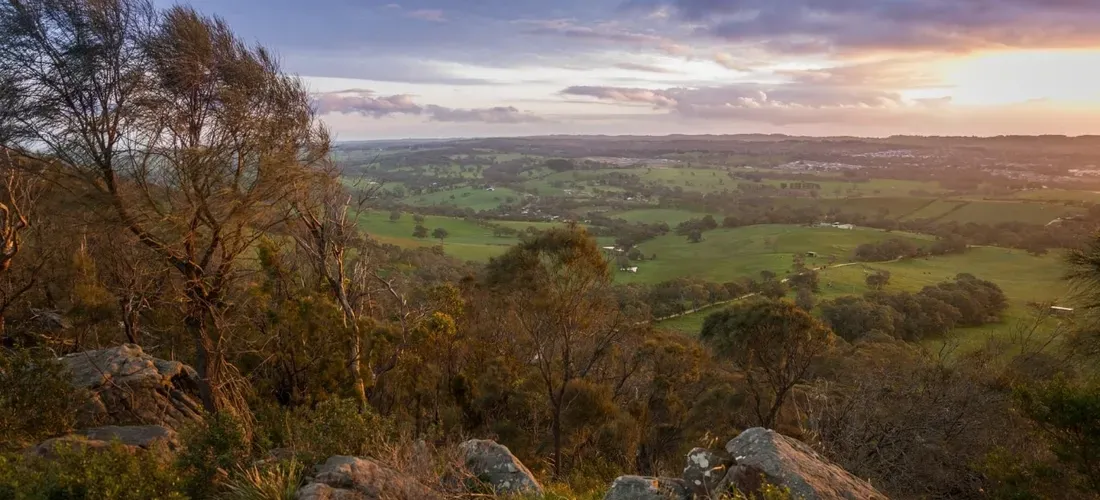
Kojonup is a charming wheatbelt town on the Albany Highway in the southern corner of Western Australia, about 250 km from Perth and 160 km from Albany, sitting more than 300 metres above sea level. The town takes its name from the kodj, a stone axe made from local stone, and it is proud of how much of its rich cultural heritage and unspoilt country character it has kept to this day.
Know Kojonup
Everything You Need to Know about Kojonup
Read this if you’re planning to visit and explore Kojonup soon. There must be something truly captivating about the freshwater spring that drew both the Noongar people and the European settlers here, and a trip through the Great Southern is incomplete without stopping to find out what it was. Here is everything you need to know about Kojonup to make your trip worthwhile.
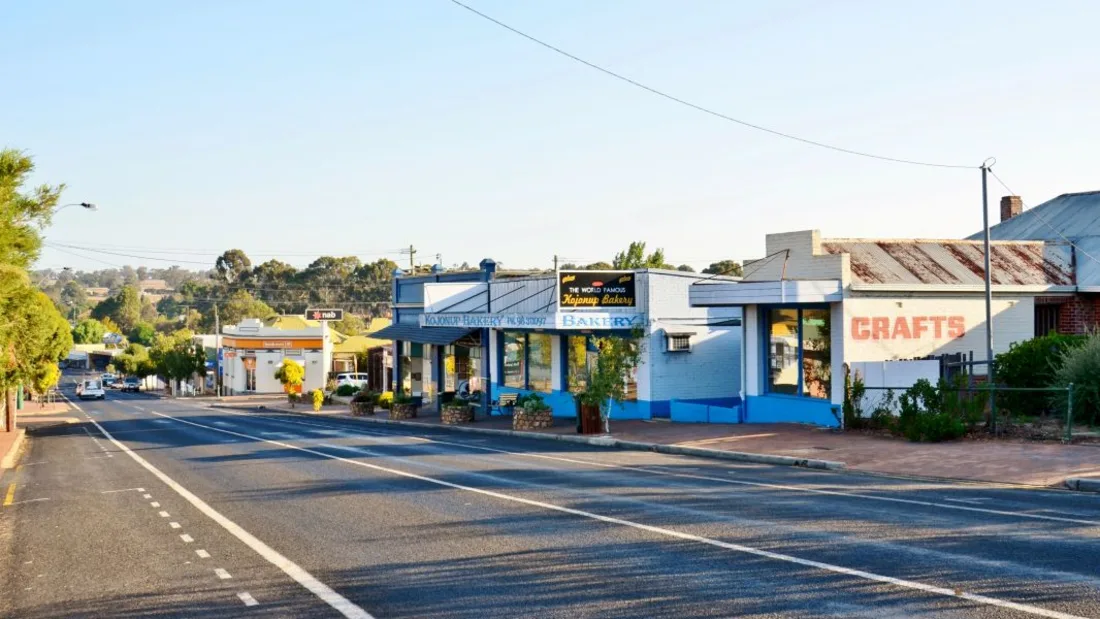
Where it sits On the Albany Highway in the Great Southern, about 250 km from Perth and 160 km from Albany: almost exactly halfway.
What the name means Kojonup is named for the kodj, the Noongar stone axe crafted from local stone near the freshwater spring.
The town today The hub of Kojonup Shire and the only sizeable town in the area, surrounded by sheep and cropping country.
How the town began
A Brief History
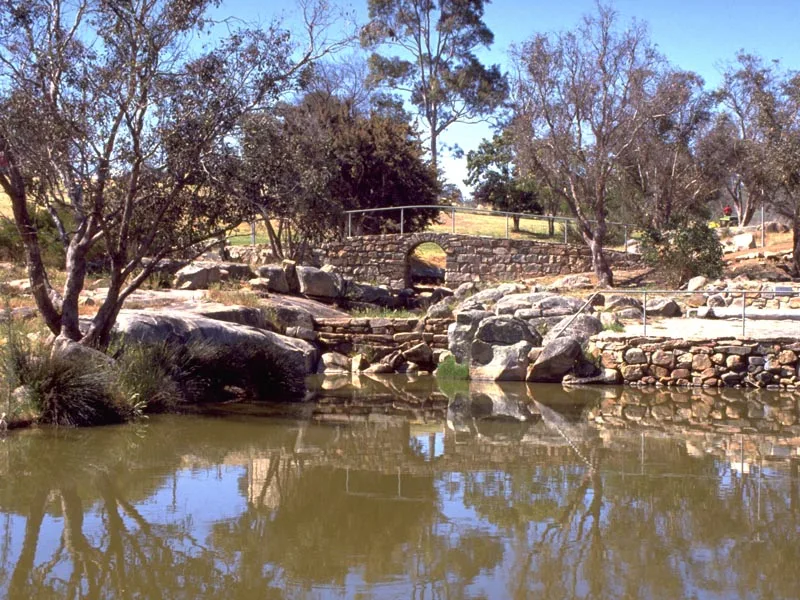
Every nation, community and tribe holds bittersweet memories of the past, and the Noongar people are no exception. They had inhabited Kojonup for thousands of years before the European settlers arrived in 1837, drinking fresh water from the spring and making the kodj, a stone axe of ordinary local stone, to hunt with while the women and children gathered plants, fruits and berries.
Things began to change after they led Alfred Hillman, a European land surveyor, to the freshwater spring. That act of friendliness and hospitality marked a turning point: soon the Europeans set up a military outpost in Kojonup to keep travellers and mail safe, the outpost grew into barracks, and soldiers with settlement grants established the first farm.
Hillman wrote in his diary that the site, about two square miles, was suitable for planting crops, had an abundant supply of fresh water and plenty of stone for building. His 1840 survey recommended a town around the freshwater spring, and the rest is history.
If the Kojonup Museum, once the military barracks, could tell tales, it would recount how the Europeans took the land of the Noongar people. Today the museum holds relics of old Kojonup and tells stories of the brave Noongar who defended their country. If the town’s deeper story interests you, our guide to Kojonup’s Aboriginal heritage and cultural experiences goes further, and Cornwall House Accommodation puts you a short walk from the museum itself.
Get to know the town
8 Interesting Facts You Need to Know About Kojonup
1. Kojonup Spring is the lifeblood of the town Fresh water is the lifeblood of every town, and Kojonup Spring is known for its ample supply. It is what drew the Noongar people here, so it is no surprise the European settlers were drawn to the same site.
2. A mixed-enterprise farming environment Kojonup is famous as the first shire to accumulate one million sheep in Western Australia, widely known for quality sheep for meat and wool, with wheat, canola, barley, cattle and pigs rounding out the agricultural sector.
3. Kojonup is known for its wildflowers Kojonup lies in an area rich in farmland and bushland, and in springtime the wildflowers are enticingly beautiful, with a real diversity of flora and fauna.
4. The Rose Maze doesn’t hide the hard stories Signage in the Rose Maze depicts the harsh life Aboriginal women have faced. Nationally, Aboriginal women are 34 times more likely to be hospitalised due to domestic violence and ten times more likely to die from direct assault than other Australian women, and the maze makes sure their stories are told rather than forgotten.
5. Sport bridged the gaps The Kojonup Shire promotes sport as a healthy way of life. Sport plays an integral part in daily activity here and has helped bridge the gap of racial discrimination.
6. The only sizeable town in the area Kojonup is the central hub of Kojonup Shire. The 2016 census counted 1,985 residents here, while the other settlements in the shire held only about 55 to 250 people each.
7. Four proper seasons Summers are hot and dry, winters are long and cold, and typical temperatures range from about 3°C to 31°C across the year. For warm-weather activities, the best time to visit is late December to mid-March; for wildflowers, come in spring.
8. Friendly boutique accommodation Kojonup has gained popularity for friendly, safe accommodation with a country ambience: farm stays, a caravan park, bed and breakfasts and motel-style rooms, all offering genuine country hospitality.
After more local trivia? Our companion post, 6 Things to Know About Kojonup WA Before You Visit, digs deeper into the barracks, the million-sheep wool record and the Rose Maze, date by date.
Worth your afternoon
Popular Attractions in Kojonup
All four of these sit in or beside the town centre, an easy walk or a two-minute drive from our door on the highway.
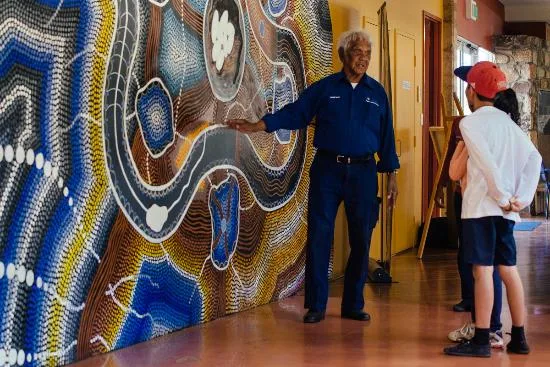
The Kodja Place
The Kodj Gallery, Story Place, Rose Maze, Yoondi’s Mia Mia and the Visitor Centre are all housed under one roof. A genuine Noongar stone axe, the kodj, is the gallery’s main feature; the Story Place shows the realities of life for the Noongar and Wadjela people through photos and quotes; and the inspiring life story of Yoondi, a symbolic Noongar woman, is one of three stories woven along the pathways of the Rose Maze garden.
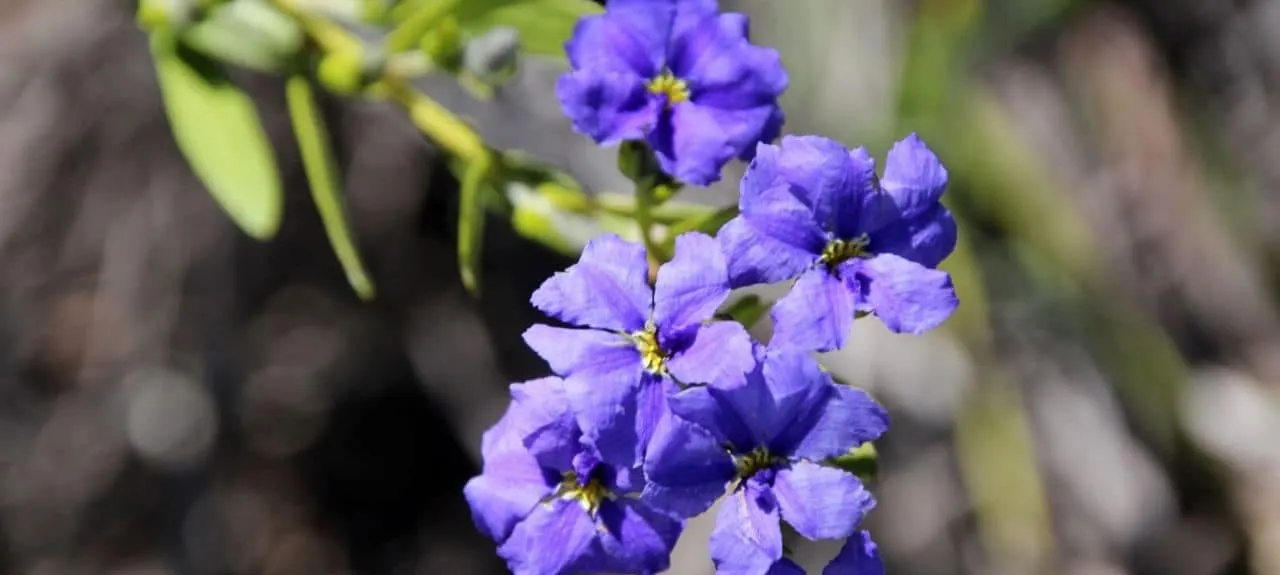
Myrtle Benn Flora & Fauna Sanctuary
A retired teacher’s passion for nature and Indigenous culture, made permanent. Myrtle Benn, assisted by her students, established this flora and fauna sanctuary at the edge of town, and it remains one of the best places to see the district’s plant life up close, especially in wildflower season.
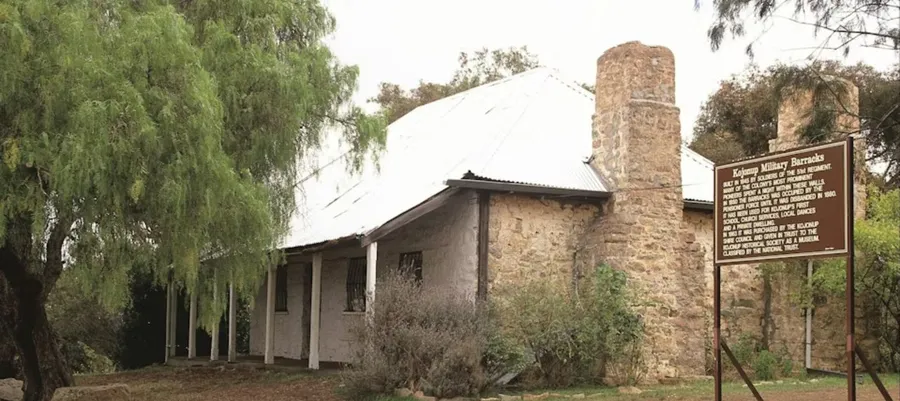
Military Barracks
The military barracks, now a museum, is the oldest building in Kojonup. Built in 1845, it holds poignant memories of the past, from the soldiers who guarded the Perth to Albany road to the relics of old Kojonup kept inside today.
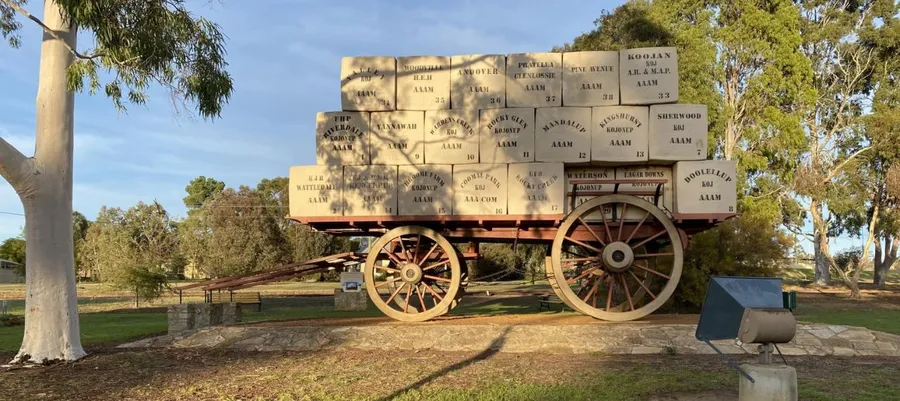
Centenary of Federation Wool Wagon
A project of the Kojonup Lions, Rotary and Apex clubs, this landmark wagon carries wool bales stamped with the brands of local sheep farms, a fitting monument in the first WA shire to run a million sheep.
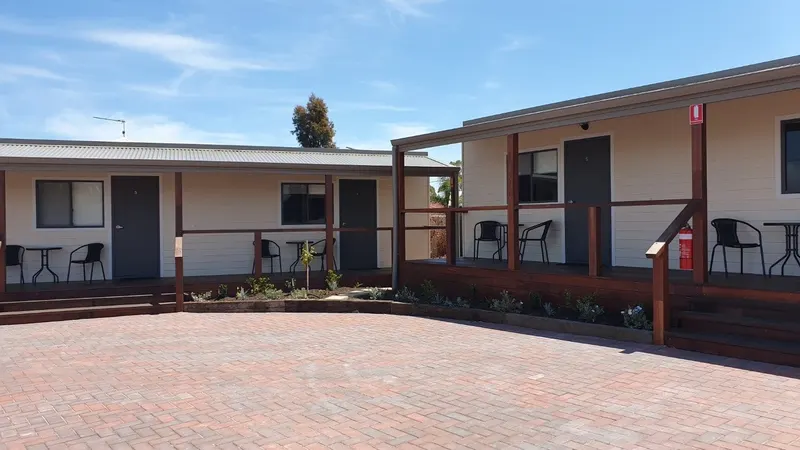
Stay in the heart of it
Book Your Accommodation Early
Experience country hospitality with Cornwall House Accommodation. We sit right on the Albany Highway in the heart of Kojonup, a great vantage point for this rich historical town, with clean, comfortable rooms to come back to after a day of exploring. We’re committed to making your stay pleasant and memorable.
Call us on (08) 9831 0214 or email stay@cornwallhouseaccommodation.com.au for enquiries.
First visit?
Questions first-time visitors ask us
Where exactly is Kojonup?
In the Great Southern region of Western Australia, on the Albany Highway about 250 km south-east of Perth and 160 km north of Albany. That puts the town almost exactly halfway along the Perth to Albany drive, which is why so many travellers stop here overnight.
How long should I allow in Kojonup?
An afternoon and a morning covers the essentials comfortably. Kodja Place, the Rose Maze, the Wool Wagon and the spring all sit in or beside the town centre, so arrive mid-afternoon, explore before dinner, stay the night and see the rest before you rejoin the highway.
When is the best time of year to visit?
It depends what you are after. For warm-weather activities the best window is late December to mid-March, when the days are hot and dry. For wildflowers, come in spring, when the farmland and bushland around town are at their most colourful. Winters are long and cold, ideal for a quiet heritage-town stopover.
What should I see first?
Start at The Kodja Place: the Kodj Gallery, Story Place, Rose Maze, Yoondi’s Mia Mia and the Visitor Centre share one site, and it is the best single introduction to the town. The 1845 Military Barracks, the Wool Wagon and the Myrtle Benn Flora and Fauna Sanctuary round out the classic first visit.
What accommodation does Kojonup have?
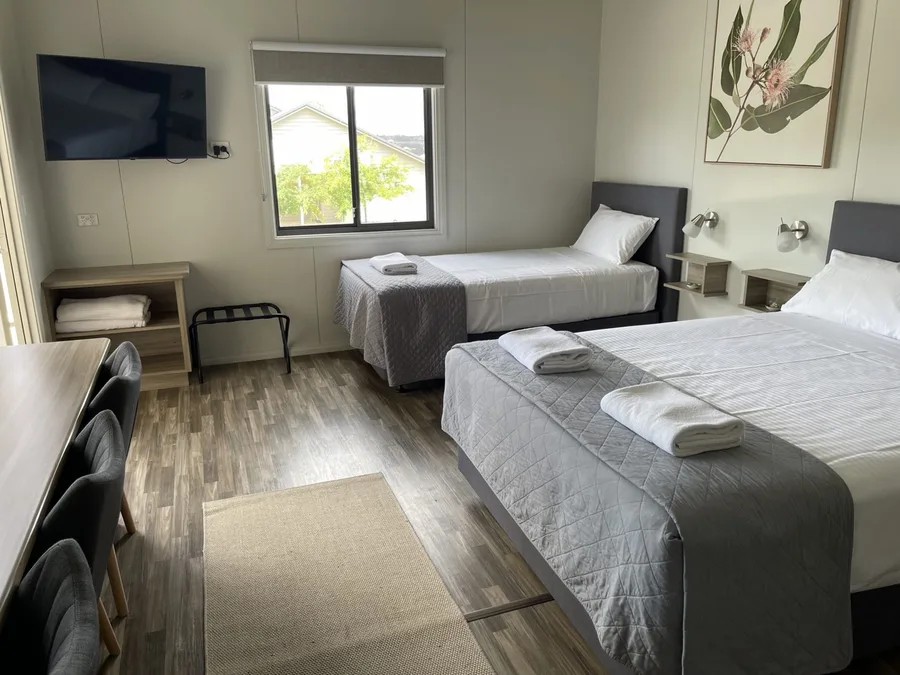
The town is known for friendly boutique accommodation with a country ambience, from farm stays and the caravan park to bed and breakfasts and motel-style rooms. Cornwall House Accommodation sits on the Albany Highway in the centre of town with 12 air-conditioned ensuite rooms, contactless check-in from 2pm and free onsite parking. Book direct for the best rates.